
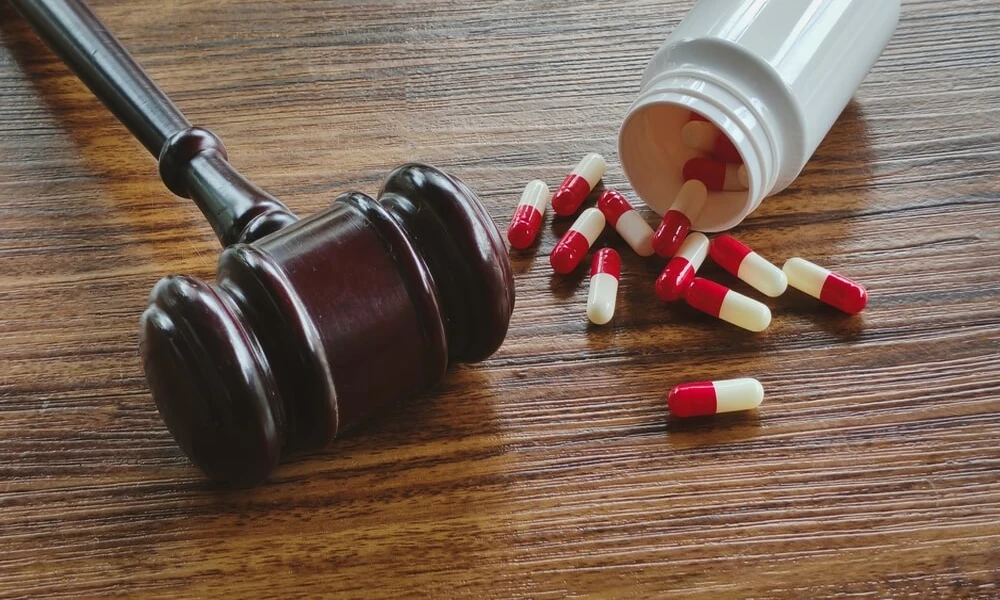
When prescription medications are meant to heal, patients rarely expect them to cause serious harm. Yet, across the United States and many other jurisdictions, dangerous drug side effects have led to severe injuries, long-term health complications, and even wrongful death. This raises an important legal question: Can drug manufacturers be held responsible for harmful side effects?
The answer is yes-under certain conditions, pharmaceutical companies can be held legally liable through a pharmaceutical injury claim or dangerous medication lawsuit. Understanding how these cases work can help victims protect their rights and pursue fair compensation.
Understanding the Issue: When Safe Medicine Turns Dangerous
Prescription and over-the-counter drugs must pass strict regulatory testing before reaching the market. However, not all risks are always identified during clinical trials. Some side effects only become apparent after widespread public use.
A drug becomes legally problematic when it causes harm due to:
- Undisclosed or hidden risks
- Manufacturing defects
- Inadequate safety testing
- Misleading marketing or labeling
- Failure to warn doctors and patients
In these situations, injured individuals may seek help from a drug liability attorney to determine whether legal action is possible.
Common Causes of Dangerous Drug Side Effects
Pharmaceutical liability cases often arise from preventable mistakes or corporate negligence. Some of the most common causes include:
1. Failure to Warn (Defective Labeling)
Drug manufacturers are required to provide clear warnings about potential side effects. If a company fails to disclose known risks, patients may unknowingly suffer serious harm.
2. Manufacturing Defects
Even when a drug is properly designed, errors during production can make it unsafe. Contamination, incorrect dosage levels, or chemical inconsistencies can lead to dangerous reactions.
3. Defective Drug Design
Some medications are inherently unsafe due to their chemical structure or formulation. If a safer alternative was available but not used, liability may arise.
4. Aggressive or Misleading Marketing
Pharmaceutical companies sometimes downplay risks or promote off-label uses without sufficient evidence, increasing the likelihood of injury.
5. Inadequate Clinical Testing
If a drug is rushed to market without thorough testing, long-term side effects may only become known after widespread use, leading to dangerous medication lawsuits.
Legal Implications: Can Drug Manufacturers Be Held Liable?
Yes. Drug manufacturers can be held liable under product liability law, which holds companies responsible for placing unsafe products into the marketplace.
A pharmaceutical injury claim typically falls under one or more of the following legal theories:
Strict Liability
In many cases, victims do not need to prove negligence. Instead, they must show that:
- The drug was defective
- The defect caused injury
- The medication was used as intended
Negligence
A manufacturer may be liable if it failed to act with reasonable care in:
- Testing the drug
- Warning consumers
- Monitoring post-market safety
Failure to Warn Claims
If a drug company knew or should have known about risks and failed to disclose them, it may be held responsible for resulting injuries.
Mass Tort and Class Actions
When many individuals are harmed by the same medication, cases may be consolidated into mass tort litigation, allowing victims to pursue compensation collectively.
Rights of Victims in Dangerous Medication Cases
If you or a loved one has suffered due to a harmful prescription drug, you may have legal rights under product liability laws. Victims can often pursue compensation for:
- Medical expenses (past and future treatment)
- Lost wages and reduced earning capacity
- Pain and suffering
- Emotional distress
- Long-term disability or permanent impairment
- Wrongful death damages (in fatal cases)
A qualified drug liability attorney can evaluate whether your situation qualifies for a dangerous medication lawsuit and help determine the strength of your claim.
What Compensation or Remedies Are Available?
The goal of a pharmaceutical injury claim is to make the victim “whole” again financially. While no amount of money can reverse the harm, compensation can ease the burden of recovery.
Possible remedies include:
Financial Compensation
- Hospital bills and ongoing treatment costs
- Rehabilitation and therapy expenses
- Lost income and diminished future earnings
Punitive Damages
In cases involving extreme negligence or misconduct, courts may award punitive damages to punish the drug manufacturer and deter future wrongdoing.
Product Recalls and Safety Changes
Legal action can also lead to recalls or stronger safety warnings, preventing further harm to the public.
How a Defective Drug Lawyer Can Help
Navigating a pharmaceutical injury claim can be complex. Drug manufacturers are typically large corporations with significant legal resources. This is why hiring an experienced defective drug lawyer is essential.
A skilled attorney can:
- Investigate the drug’s history and safety record
- Gather medical evidence linking the drug to your injuries
- Consult with medical and pharmaceutical experts
- Identify whether other similar cases exist
- Negotiate settlements or represent you in court
- Ensure compliance with strict filing deadlines (statutes of limitations)
Most importantly, a knowledgeable drug liability attorney understands how to challenge powerful pharmaceutical companies and build a strong case on your behalf.
Conclusion:
When medications cause unexpected harm, the consequences can be life-changing. Fortunately, the law provides a pathway for victims to hold manufacturers accountable through a dangerous medication lawsuit or pharmaceutical injury claim.
Drug companies have a legal duty to ensure their products are safe, properly tested, and accurately labeled. When they fail in that duty, they can and should be held responsible.
If you or a loved one has suffered due to a prescription drug, consulting an experienced defective drug lawyer or drug liability attorney is the first step toward understanding your rights and pursuing fair compensation.
Don’t wait until deadlines pass-speak with a qualified attorney today to evaluate your case and protect your future.
